

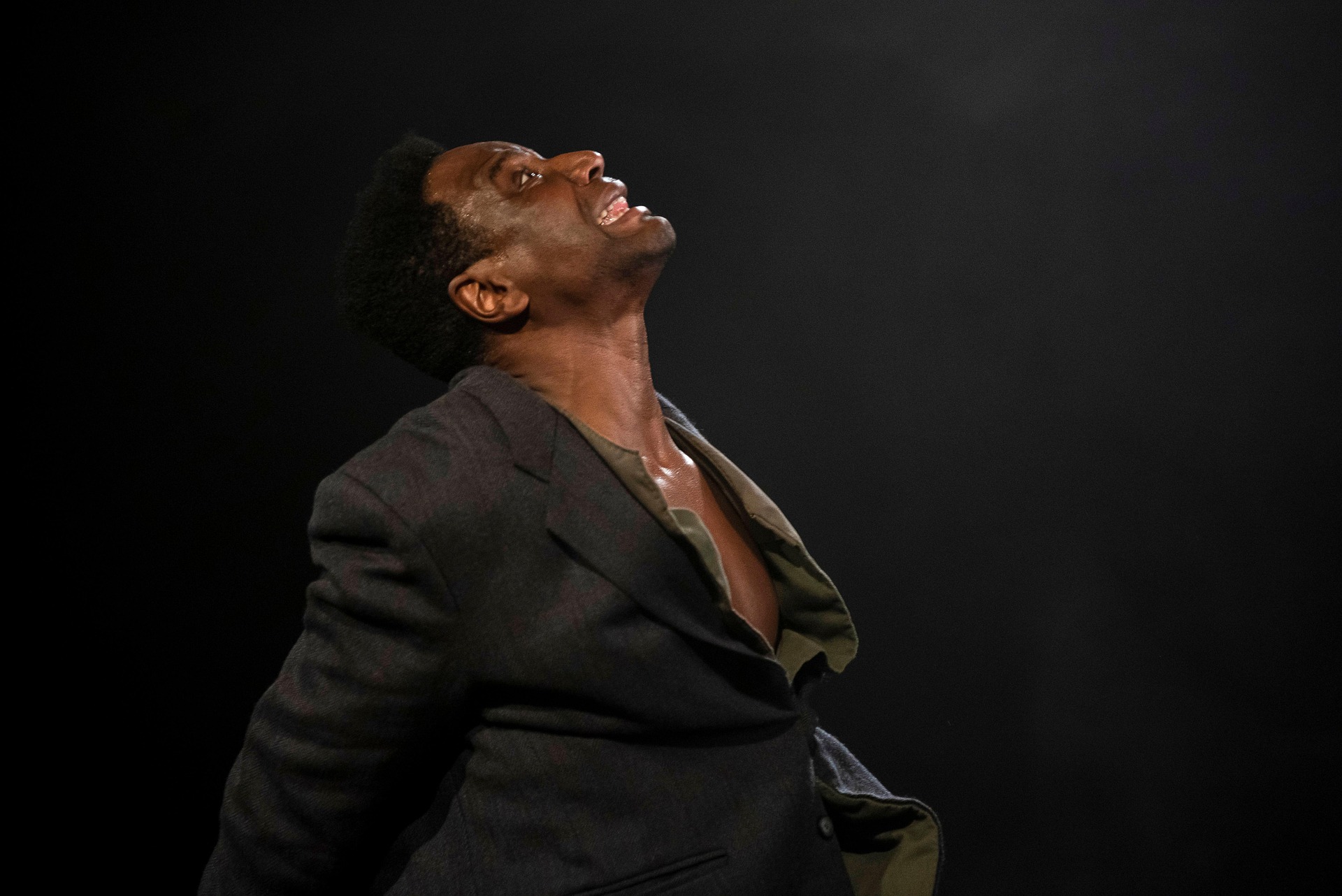
A monologue, long, expressive, is a speech delivered by a single character in a play, movie, or performance. Unlike dialogues, which involve conversation between two or more people, monologues focus entirely on one person expressing their thoughts, feelings, or story. They are often dramatic, intense, and essential in showing a character’s inner world.
Monologues can be dramatic, humorous, or reflective. For example, a character in a tragedy may deliver a monologue to reveal fear, sadness, or anger, while in a comedy, a monologue can entertain the audience with clever jokes and observations.
The Purpose of a Monologue
The purpose of a monologue, clear, focused, is to express emotions, tell a story, and reveal character traits. Monologues allow actors to connect deeply with the audience, showing thoughts and feelings that might not be shared in regular conversations.
Some specific purposes include:
- Character development: Helps the audience understand who the character really is.
- Storytelling: Explains important plot points or history in the story.
- Emotional connection: Builds empathy by showing raw, personal feelings.
Understanding Monologues
Understanding, careful, monologues is key for actors and students of drama. A good monologue has several important elements:
- Theme or purpose: Every monologue should have a clear reason for being.
- Emotion and expression: Actors must convey feelings through tone, pace, and body language.
- Structure: Even short monologues should have a beginning, middle, and end.
- Relevance: The content should match the story or character.
By analyzing and practicing these elements, actors can make their monologues more authentic, believable, and memorable.
Why Do Actors Use Monologues?
Actors use monologues, versatile, strategic, to practice skills, audition for roles, and perform in plays or films. Here’s why:
- Auditions: Many casting directors ask actors to perform a monologue to test their talent, voice, and stage presence.
- Skill development: Practicing monologues improves memorization, confidence, and emotional expression.
- Showcasing talent: A well-delivered monologue can leave a lasting impression on the audience or judges.
Monologues also help actors understand the psychology of their characters and explore different ways of expressing emotions.
Who Has the Longest Monologue in the World?
The longest monologue in the world, fascinating, record-breaking, depends on the type of performance you mean. Monologues can happen in theatre, movies, or even animation, and different performers hold records in each category.
Longest Monologue in Film
In movies, the longest monologue is often credited to Edwige Feuillère in the 1948 French film L’Aigle à deux têtes. She delivers a continuous 20-minute speech, showing incredible emotional depth and acting skill. This performance is officially recognized by Guinness World Records as the longest dramatic monologue in film.
Another famous film example is Lionel Barrymore in A Free Soul (1931), where he speaks for about 14 minutes in a single scene, which was groundbreaking for Hollywood at the time.
Longest Monologue in Theatre
In theatre, long monologues are even more extreme. For instance, Edith Clever, a German actress, performed a staggering six-hour monologue in the experimental film and stage hybrid Die Nacht. She recited works by many famous writers, including Shakespeare, Goethe, and Nietzsche, creating one of the most impressive continuous performances in theatre history.
Longest Monologue in Animation
Even in Japanese animation, there are record-breaking monologues. In the anime The 100 Girlfriends Who Really, Really, Really, Really, REALLY Love You, a character speaks a long monologue containing over 7,400 characters in one scene. This is the longest monologue in Japanese-language animation, according to Guinness World Records.
Who is the King of Monologues?
The “King of Monologues,” famous, legendary, is a title often given to actors and writers who are known for delivering powerful, emotional, and unforgettable speeches. Monologues, dramatic, expressive, are a key part of acting, and some performers are celebrated worldwide for their skill in this area.
William Shakespeare: The Original Master
Many people consider William Shakespeare the king of monologues. His plays are filled with famous speeches that explore deep human emotions like love, fear, anger, and sadness. For example, Hamlet’s “To be or not to be” soliloquy is one of the most performed and studied monologues in the world. Shakespeare’s work shows how a single character’s words can reveal their inner thoughts and make audiences feel connected to their story.
Famous Modern Actors
In modern cinema, actors like Marlon Brando, Daniel Day-Lewis, and Morgan Freeman are also called kings of monologues. They are known for delivering long, emotional speeches that leave a lasting impression. For example:
- Marlon Brando in On the Waterfront delivers a raw, emotional monologue about struggle and loyalty.
- Daniel Day-Lewis in There Will Be Blood performs a chilling monologue that shows his character’s ambition and intensity.
- Morgan Freeman is famous for his calm, powerful narration and monologues that draw audiences in immediately.
Why Are They Called the King of Monologues?
Being the “King of Monologues” doesn’t just mean speaking a lot. It means:
- Emotional Impact: Their words make the audience feel strong emotions.
- Memorability: People remember their speeches long after the performance.
- Skill and Technique: They use tone, pace, and body language perfectly to bring words to life.
How Do You Introduce Yourself in a Monologue?
Introducing yourself in a monologue, simple, effective, requires clarity, confidence, and creativity. Here’s a step-by-step approach:
- Start with your name: Clearly say who you are.
- Give context: Explain briefly why you are speaking or what the monologue is about.
- Add personal traits: Highlight a unique quality or interesting fact about yourself.
- Engage the audience: Use eye contact, gestures, and emotions to keep them interested.
For example, instead of saying, “Hi, I am John,” you can say, “Hi, I am John, a curious and adventurous young man, who loves exploring new ideas and sharing stories with everyone I meet.” This makes the introduction memorable and engaging.
If you want to publish ebook then feel free to reach IJSmart Publishing Company!
