

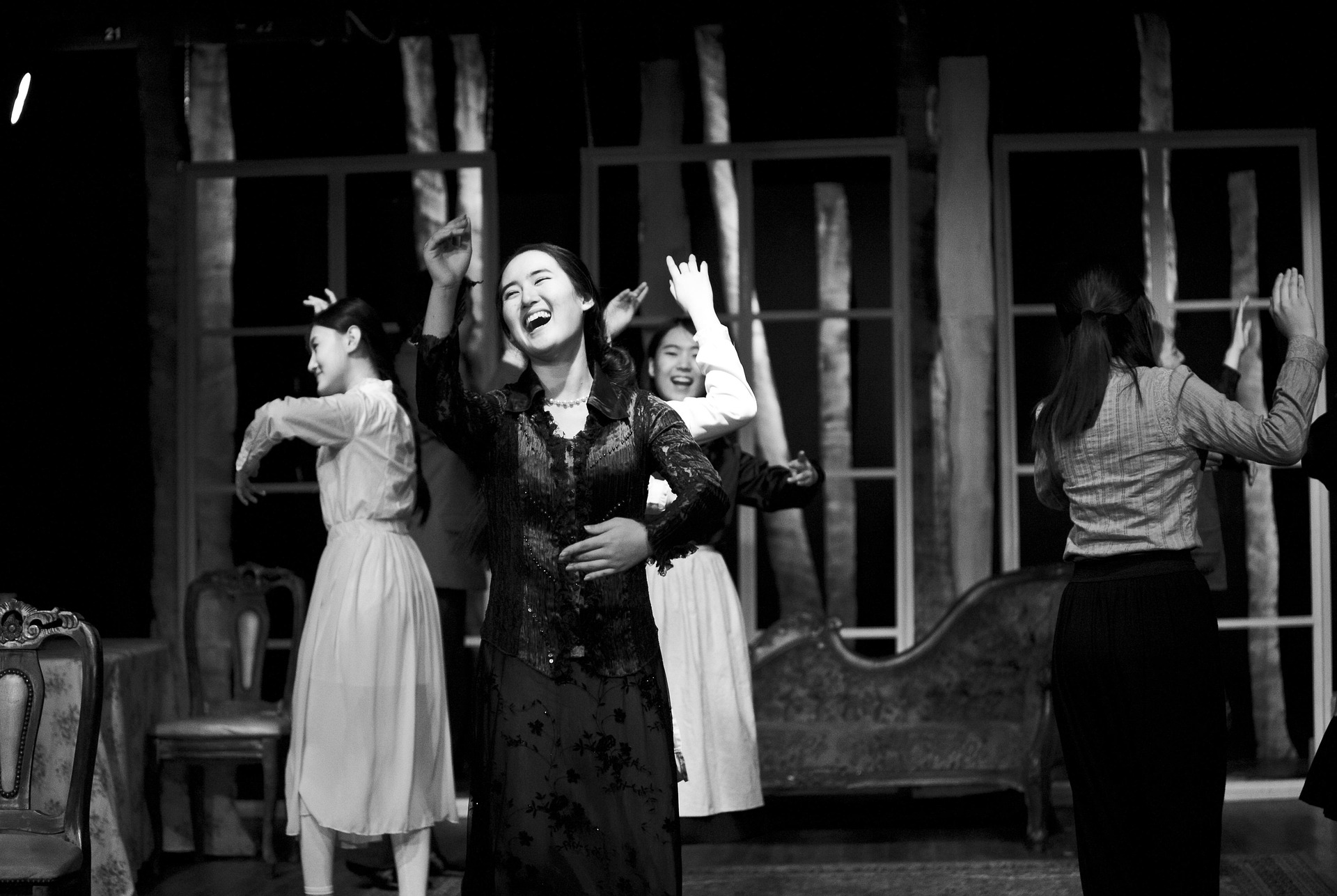
If you are searching about the “Hamlet monologue” then you are in the best place in this regard. The play Hamlet, famous, powerful, written by William Shakespeare, contains some of the most well-known monologues in theater history. A monologue is a long speech given by one character. In Hamlet, these monologues show the main character’s deep thoughts, worries, and struggles. They help the audience understand what Hamlet feels on the inside, even when he speaks very little to others. These speeches, emotional, dramatic, make the play meaningful and give actors a chance to explore strong feelings.
The Famous “To Be or Not to Be” Monologue
The most famous monologue in Hamlet, thoughtful, reflective, is often called the “To be or not to be” speech. In this monologue, Hamlet questions the meaning of life and wonders why people continue to face pain and challenges. Instead of acting quickly, Hamlet thinks deeply about whether life is worth the struggle. This monologue shows his fear, sadness, and confusion without directly telling the audience what to think.
Other Important Monologues in Hamlet
Shakespeare wrote several monologues for Hamlet, meaningful, intense, and each one reveals something different about his heart and mind.
Hamlet’s First Monologue
In his earlier monologue, Hamlet feels upset about the death of his father and the quick marriage of his mother to his uncle. He speaks about his sadness and disappointment with the world around him.
“O, What a Rogue and Peasant Slave Am I”
In this monologue, Hamlet, frustrated, angry, criticizes himself for not taking action. He compares himself to an actor who can show strong emotions even without real reason, while he struggles to express his own true feelings.
“How All Occasions Do Inform Against Me”
Later in the play, Hamlet, determined, inspired, decides he must finally act. He sees another man leading an army for something small and wonders why he cannot take action for something so important.
Each monologue teaches the audience something new about Hamlet. They are carefully written to show emotion, conflict, and growth.
Why Hamlet’s Monologues Matter
Hamlet’s monologues, deep, personal, are some of the most studied speeches in theater. They help actors practice strong emotional delivery, clear storytelling, and meaningful expression. Monologues like these are used in acting classes and auditions because they challenge actors to express fear, doubt, anger, sadness, and wisdom; all in one performance.
Acting such emotional speeches also requires physical and mental preparation. Performance strength depends on focus and energy. For example, a study from the American College of Sports Medicine showed that dehydration resulting in a loss of as little as 2% of body mass can be associated with a decline in physical performance. This shows that even small physical changes can weaken an actor’s presence.
Also, another study conducted by researchers from the Department of Physiology of the Australian Institute of Sport found that low fluid intake in cyclers resulted in a relative performance impairment of 28.6%., proving that staying hydrated supports strong stage performance.
How Actors Use Hamlet’s Monologues
Actors, dedicated, passionate, often study Hamlet’s monologues to improve their skills. These speeches help with:
- Voice control
- Emotional depth
- Character understanding
- Confidence on stage
Hamlet’s monologues are excellent practice because they require clear thought and honest expression.
If you want to publish ebook then feel free to reach IJSmart Publishing Company!

4 Comments
Pingback: What is the monologue format? - All The Questions
Pingback: What are the monologue opening lines? - All The Questions
Pingback: What are the monologue preparation tips? - All The Questions
Pingback: What is the purpose of a monologue in Theater and Film? - All The Questions